
CALL US TODAY! (301) 475-5611
Signs Your Heating System Needs Repair Before Winter in Southern Maryland
August 4, 2026
If your heating system is making strange noises, cycling on and off constantly, or pushing up your energy bill without explanation, it needs attention before winter arrives in Southern Maryland. Catching these problems in fall — not on the coldest night of January — keeps repair costs lower and your household warmer. Here are the warning signs Hollywood, MD homeowners should not ignore.
Why Southern Maryland Winters Put Extra Stress on Heating Systems
Hollywood, MD sits in St. Mary's County, where winter temperatures regularly dip into the low 20s and damp air off the Patuxent River makes cold snaps feel sharper than the thermometer reads. Furnaces and heat pumps that coasted through a mild fall can hit a wall when a hard freeze arrives in January. A system that's 15 years old or older — common in older St. Mary's County homes — faces the most risk. Add in the fact that HVAC technicians book up fast once cold weather settles in, and you can see why a fall inspection saves both money and stress.
What Are the Warning Signs Your Heater Needs Repair?
Most heating problems announce themselves weeks before a system fails. The challenge is knowing which signs to take seriously. Below are the ones that matter most heading into a Southern Maryland winter.
Unusual Noises During Operation
Banging, rattling, screeching, or persistent clicking are not normal furnace sounds. Banging often signals an ignition delay — unburned gas igniting late inside the combustion chamber. Screeching typically points to a worn blower belt or failing motor bearing. Rattling can mean loose panels or a cracked heat exchanger. Each of these worsens under heavy winter use, so a noise that starts in October rarely disappears by December.
Short Cycling — System Turns On and Off Repeatedly
Short cycling occurs when the furnace starts, runs for a minute or two, then shuts off before reaching the set temperature. It strains the heat exchanger and drives energy bills up because the system consumes the most power during startup. Common causes include a clogged air filter, a faulty flame sensor, or an overheating limit switch. Left unaddressed, short cycling accelerates component wear heading into the season your system works hardest.
Rising Energy Bills With No Change in Usage
A heating bill that climbs 15–20% compared to the same month last year — with no change in thermostat settings or occupancy — is a reliable indicator of declining efficiency. Worn burners, a dirty heat exchanger, or a struggling blower motor force the system to run longer to deliver the same heat output. The bill tells you before the breakdown does.
Uneven Heating Room to Room
If one bedroom is warm while the living room stays cold, the problem is rarely just the thermostat. Uneven heating points to ductwork leaks, a weak blower, or a heat exchanger struggling to transfer heat effectively. In older Hollywood-area homes with original ductwork, leaks are especially common and can waste 20–30% of conditioned air before it reaches the living space.
Yellow or Flickering Pilot Light
A healthy gas furnace flame burns steady and blue. A yellow or orange flame means incomplete combustion — a condition that can produce carbon monoxide instead of venting it safely. This is not a wait-and-see situation. If the pilot light has shifted color or flickers under normal operation, shut the system down and call a licensed technician the same day.
Persistent or Unusual Odors
A faint dusty smell when the heat kicks on for the first time each season is normal — it burns off quickly. A sulfur or rotten-egg smell near a gas furnace suggests a gas leak and requires immediate evacuation and an emergency call. A burning plastic or electrical odor points to overheating wiring or a motor problem inside the unit. Musty odors from the vents may indicate mold growth in the ductwork.
How to Check Your Heating System Before Winter: A Simple Homeowner Checklist
You don't need tools to catch early warning signs. Before temperatures drop below 40°F, run through these steps.
Step 1
Turn the System On in Early Fall
Run your furnace or heat pump for a full cycle in September or October while you can still open a window if something smells off. Listen for abnormal noises, check that every vent in the house produces warm air, and confirm the thermostat responds accurately. Issues found now cost less to fix than emergencies in January.
Step 2
Replace or Inspect the Air Filter
A clogged filter is the single most common cause of reduced airflow, short cycling, and unnecessary strain on the blower motor. Filters in Southern Maryland homes should be checked every 30–60 days during heavy-use seasons. If the filter looks gray and dense, replace it before calling a technician — it may resolve a minor issue on its own.
Step 3
Schedule a Professional Tune-Up
A licensed HVAC technician will inspect the heat exchanger for cracks, test safety controls, clean burners, check refrigerant levels on heat pumps, and verify that carbon monoxide venting is clear. Winters Heating & Cooling has performed this work for Hollywood and St. Mary's County homeowners since 1948 — call (301) 475-5611 to schedule before fall slots fill up.
Why Winters Heating & Cooling Is the Local Choice for Heating Repair
Winters Heating & Cooling is a family-owned company based at 22100 Point Lookout Rd. in Leonardtown, serving Hollywood and all of Southern Maryland since 1948. NATE-certified technicians handle furnaces, heat pumps, boilers, and hybrid systems — gas, oil, and electric. The company offers 24-hour emergency service for situations that can't wait, along with financing options for unexpected repair costs. When you call, you reach a local team that has worked on St. Mary's County homes for over 75 years — not a regional call center.
Frequently Asked Questions
How Do I Know If My Furnace Needs Repair Before Winter?
The clearest signs are unusual noises, short cycling, rising energy bills, uneven heating, and a yellow pilot light. If your furnace shows any of these symptoms in fall, schedule an inspection before cold weather arrives and repair slots book up.
Is Short Cycling Dangerous for My Heating System?
Yes. Short cycling stresses the heat exchanger and blower motor with repeated startups, accelerating wear. It also raises energy bills. A licensed HVAC technician can identify whether the cause is a clogged filter, faulty sensor, or a more serious component failure.
What Does a Yellow Pilot Light Mean on a Gas Furnace?
A yellow flame indicates incomplete combustion, which can produce carbon monoxide. A healthy flame is steady and blue. If you see yellow or orange, turn the system off and call a licensed technician immediately — do not attempt to adjust the burner yourself.
How Often Should a Heating System Be Serviced in Southern Maryland?
Once a year, before winter, is the standard recommendation. Homes with older systems, high occupancy, or pets may benefit from an additional check mid-season. Annual maintenance also protects manufacturer warranty coverage on newer equipment.
Can Winters Heating & Cooling Handle Emergency Heating Repairs in Hollywood, MD?
Yes. Winters Heating & Cooling offers 24-hour emergency heating repair service for Hollywood and all of Southern Maryland. Call (301) 475-5611 any time a heating failure can't wait for a next-day appointment.
Schedule Your Pre-Winter Heating Inspection in Hollywood, MD
Don’t wait for a breakdown on a January night. Call Winters Heating & Cooling at (301) 475-5611 or request service online at wintershvac.com. Fall appointments fill fast.
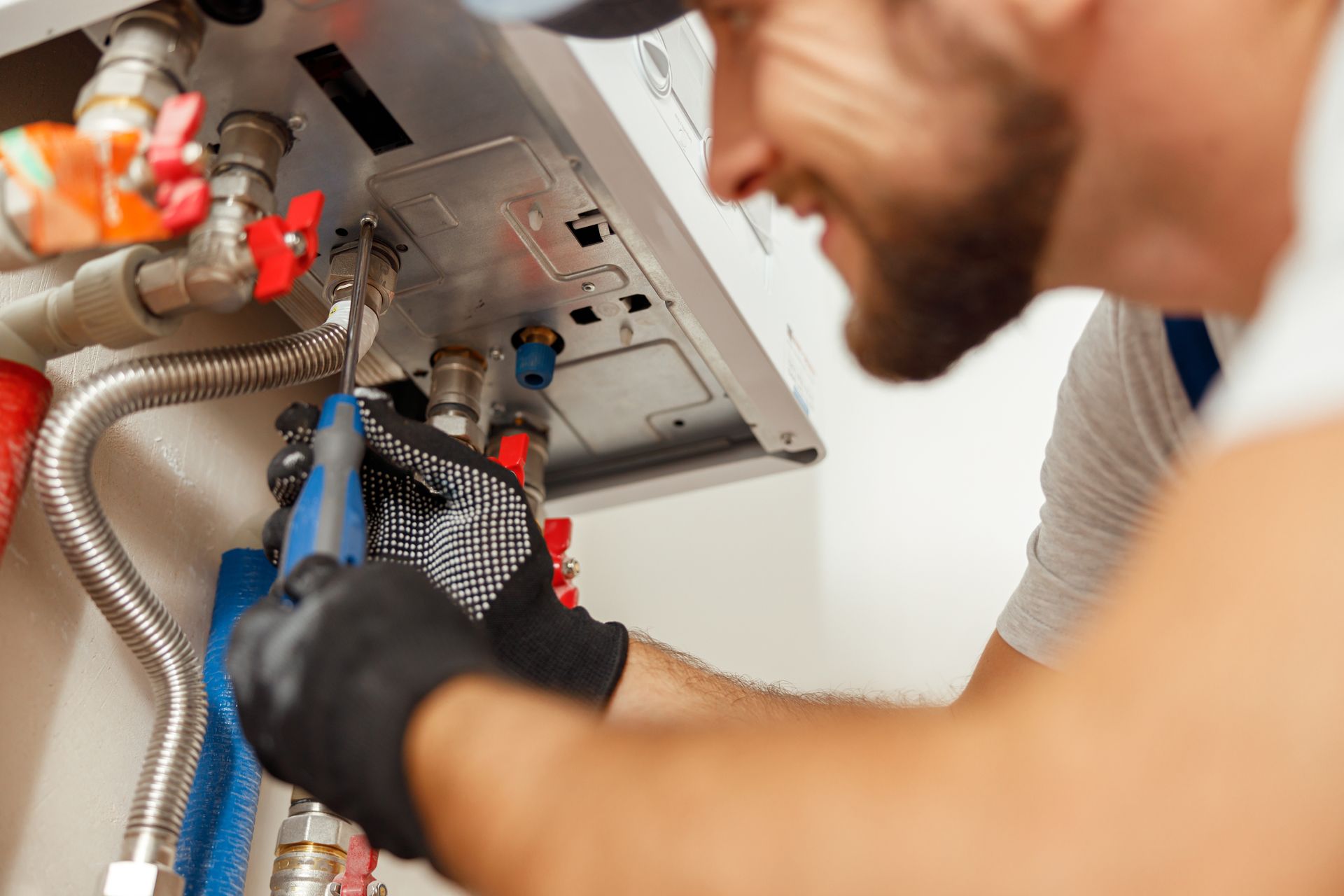
Winters Heating & Cooling explains common heating repair signs in Waldorf, MD. Click here to keep reading.
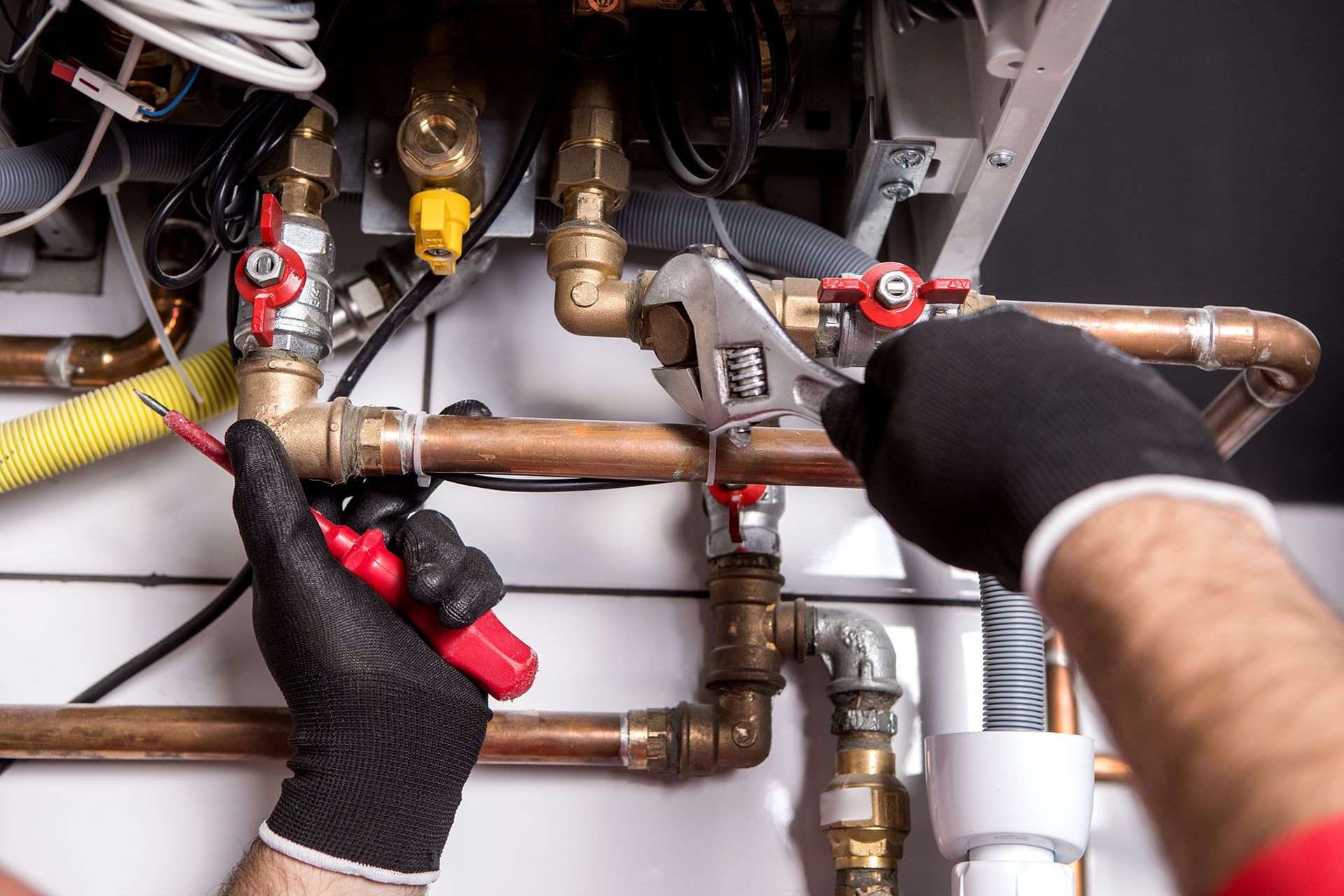
Don’t freeze this winter! Discover common heating repair signs in Waldorf, MD, and get ready with Winters Heating & Cooling. Read our latest blog!

Prepare for winter with expert tips on heating system repair in Hollywood, MD. Winters Heating & Cooling reveals key signs—click to read the full guide now!

Winters Heating & Cooling offers expert heating repair in Waldorf, MD. Call us at (301) 475-5611 today! Prevent bigger issues and save on energy costs.
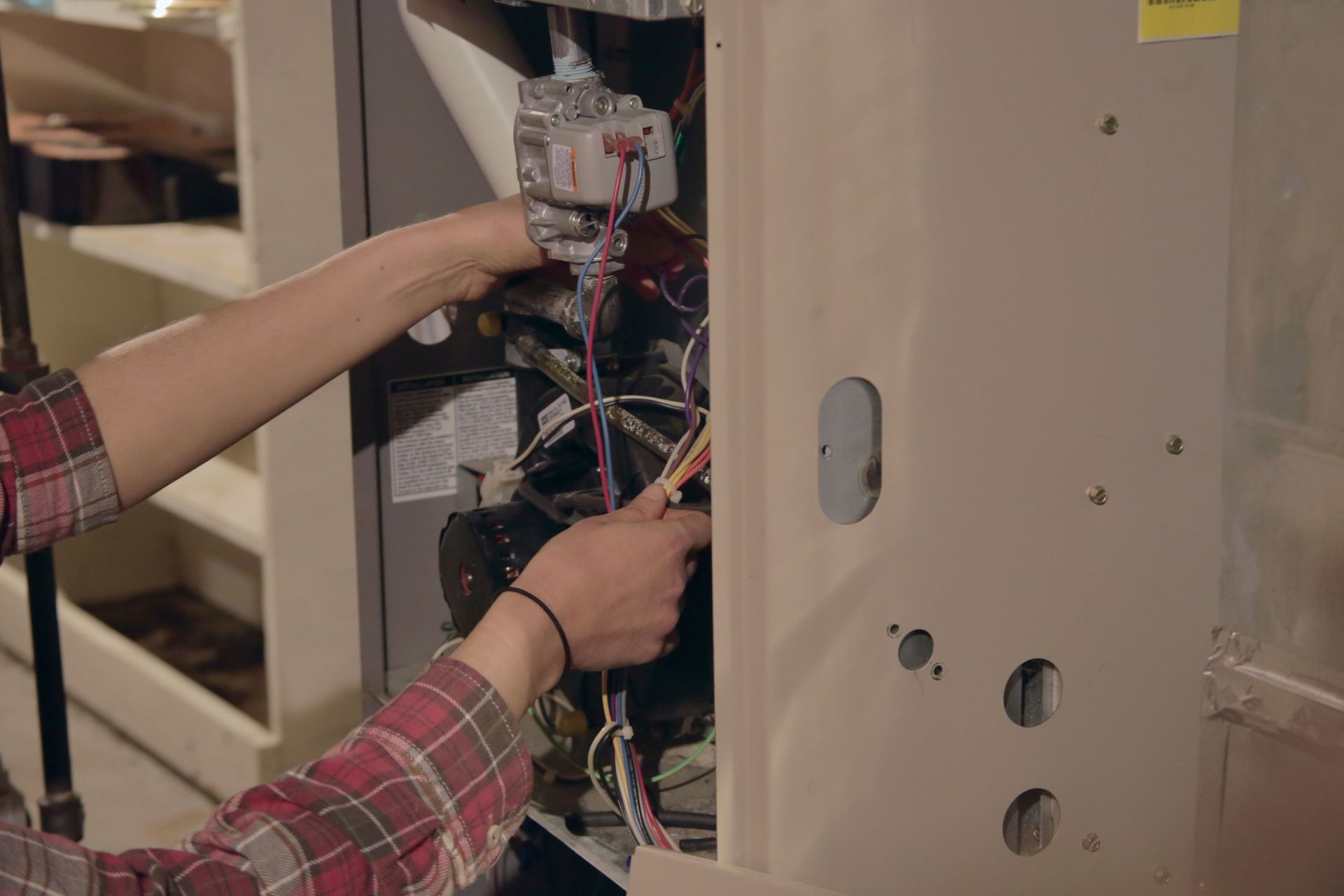
Learn troubleshooting tips for your furnace before calling for heating repair in Waldorf, MD. Click here for expert advice from Winters Heating & Cooling.
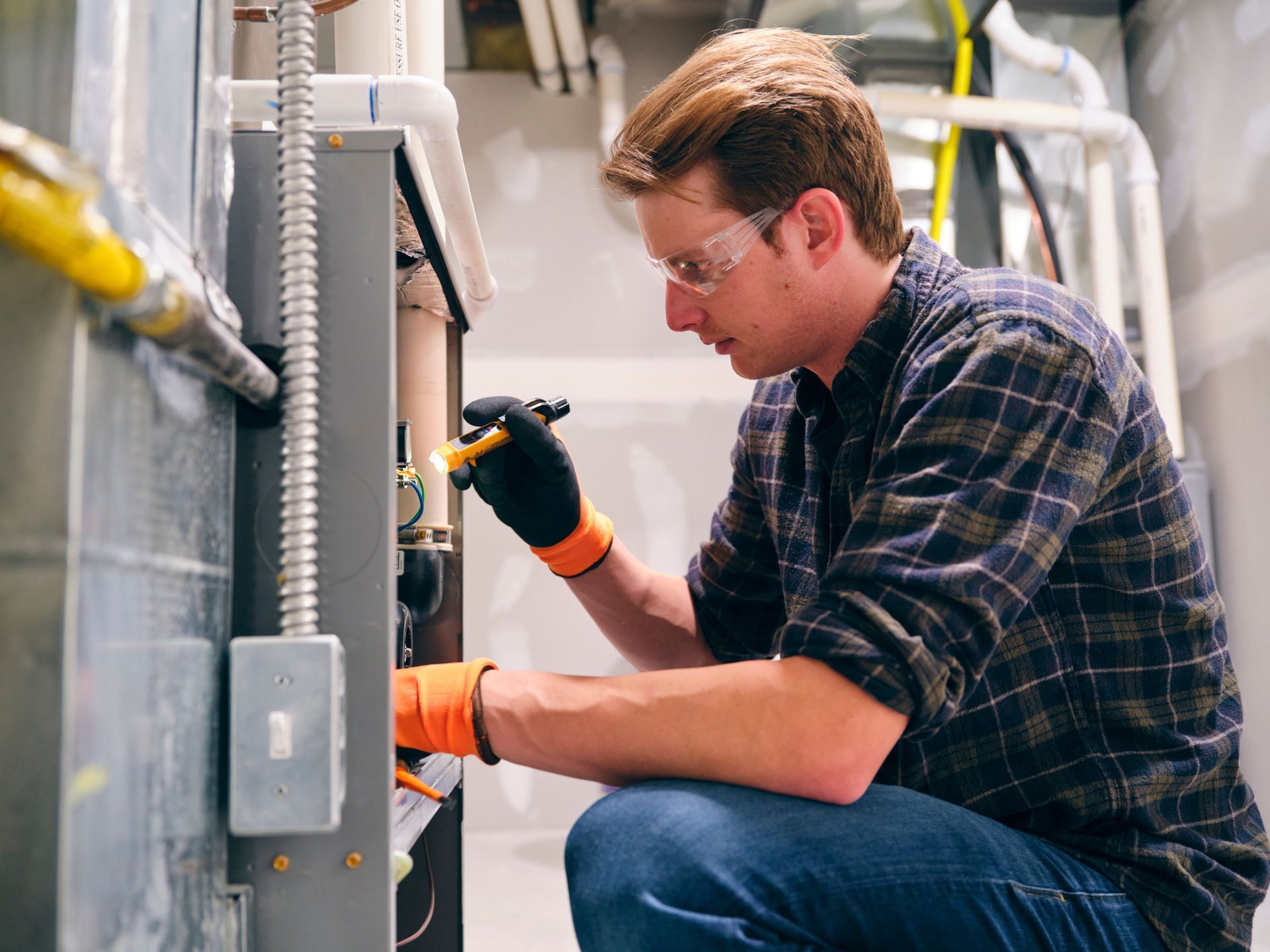
Need expert furnace repair in Waldorf, MD? Winters Heating & Cooling offers reliable solutions to keep your home warm and efficient. Click here for more info.
Is your heater failing in Waldorf, MD? Winters Heating & Cooling offers professional heating system maintenance and furnace repair. Click here for more info.
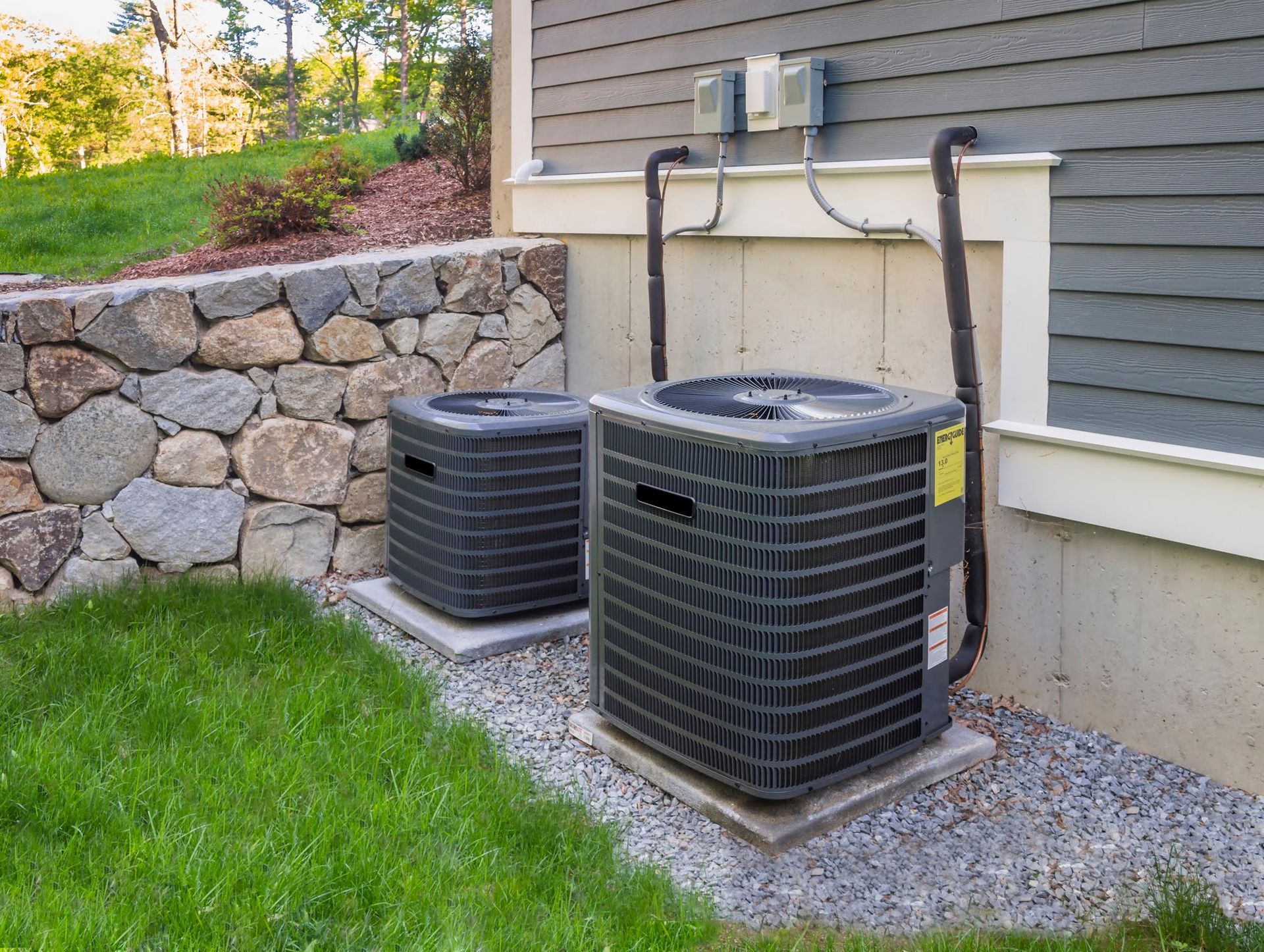
With summer on the way, do you know if your AC system is up to the task? Here are six tips you can use to prepare your unit for the summer heat.
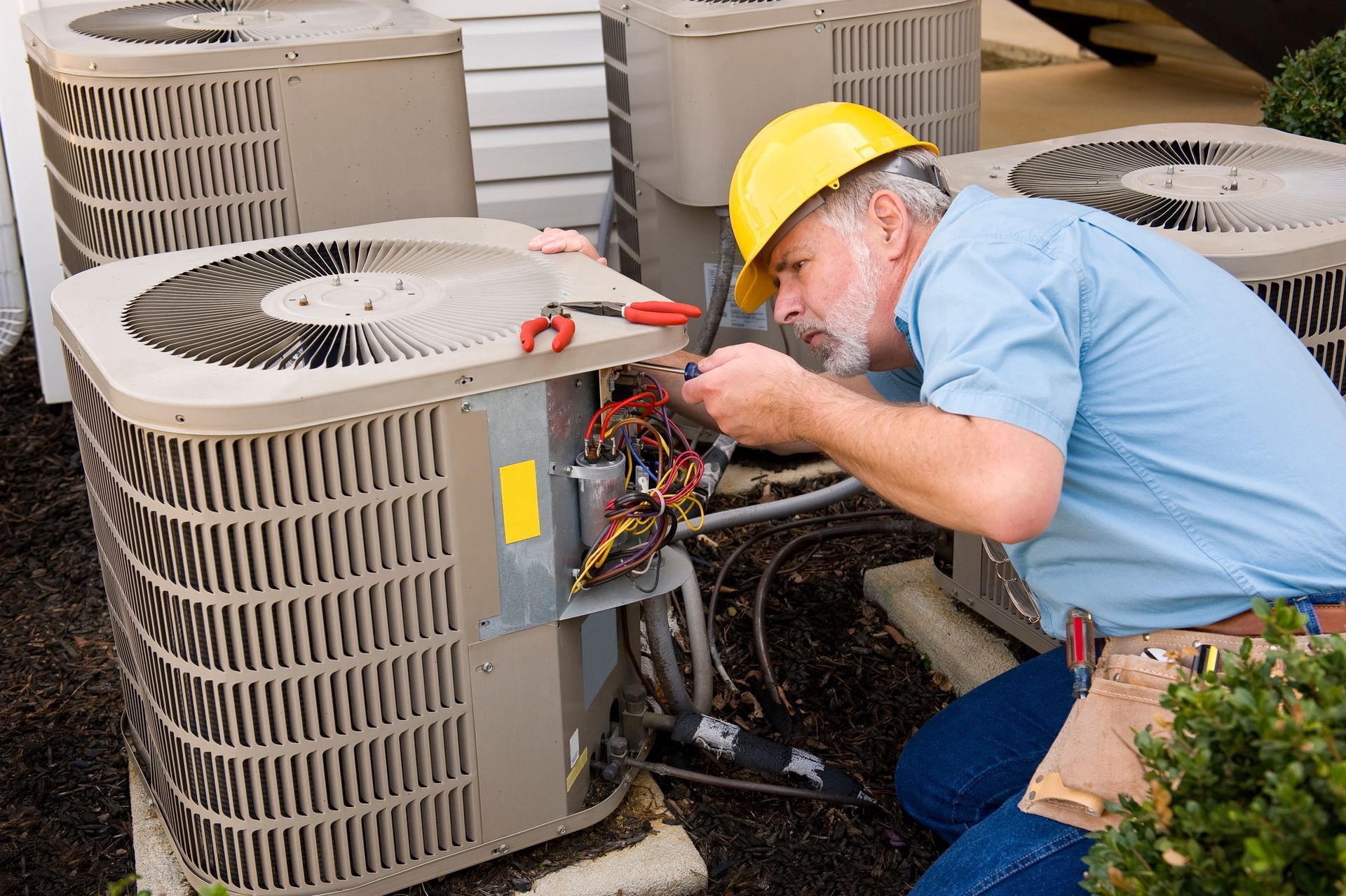
Your AC unit is used for cooling your home in warm weather and getting AC repairs keep your unit in top form. Read on to learn if AC repairs are needed.